


Quit porn for good.
Quit porn for good.
Learn more.

Try it for 30 days. Learn more
Let’s break the cycle.







Why am I here?
Choose an option below to learn more about your situation and find some proven resources to help you along your journey.





Defeat Porn. Together.
Covenant Eyes is designed to help you and those you love live free from pornography.

Partner up to
Defeat Porn
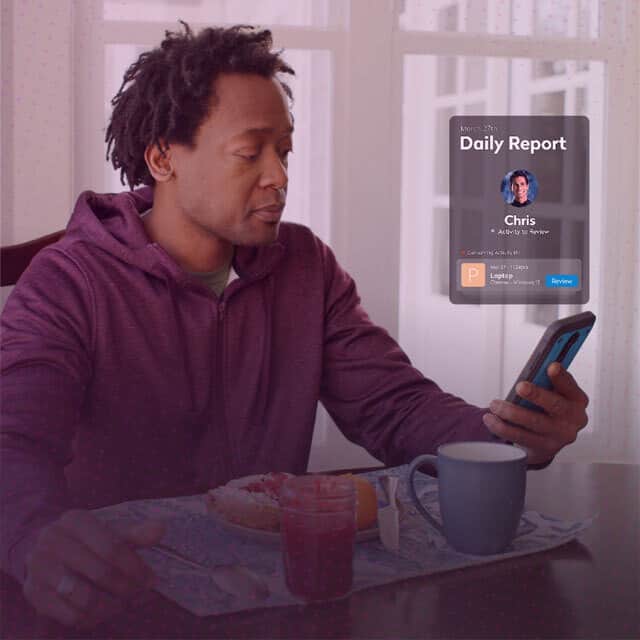
The Covenant Eyes app tracks activity on your devices. The Victory app shares your activity feed right to your ally’s phone.

Life-Changing
Conversations
Through meaningful conversations, your allies will be there to pick you up when you fall down and cheer you on when you succeed.
Break Bad Habits
for Good
With the help of your allies, you can soar to new heights both online and offline and say goodbye to porn forever.
Don’t have an ally? Covenant Eyes can still help.
30 Day Money-Back Guarantee
Real-Life Success Stories
4.4 stars on Google Play, a 4.6 App Store rating, and thousands of verified reviews.
53,000+
reviews
As seen on:




A Better Life Is Waiting.
Easy to Install

Unlimited Devices and Up to 10 Users
One Low Price of
$17/mo
We’ve got a 30 Day Money-Back Guarantee, and you’ve got nothing to lose.
If Covenant Eyes doesn’t help you in your fight against porn, cancel within the first 30 days and ask for a refund. Please see our user agreement for details.
Never Fight Alone
Together Is Better
Are you a pastor or a church leader?
We offer free resources and personalized coaching to help your people find freedom from pornography.